
Rarely does a garden that is productive start with expensive equipment or a beautiful home. Most of the time, it’s someone who plants some seeds and pay attention to the results. This will help them make better decisions for the next season.
The Sproutstead’s online resource is designed to be practical. It was designed to help people cultivate food, enhance soil fertility, conserve harvests, and to learn strategies for self-sufficiency, without getting bogged down in technical language.
Your garden comes with its own set of rules
The fact that gardens can’t be interchangeable is one of the reasons why gardening recommendations can be frustrating. A tomato plant in a sunny bed in one region may behave very differently from the same variety grown in a heavy soil elsewhere with a shorter growing season.
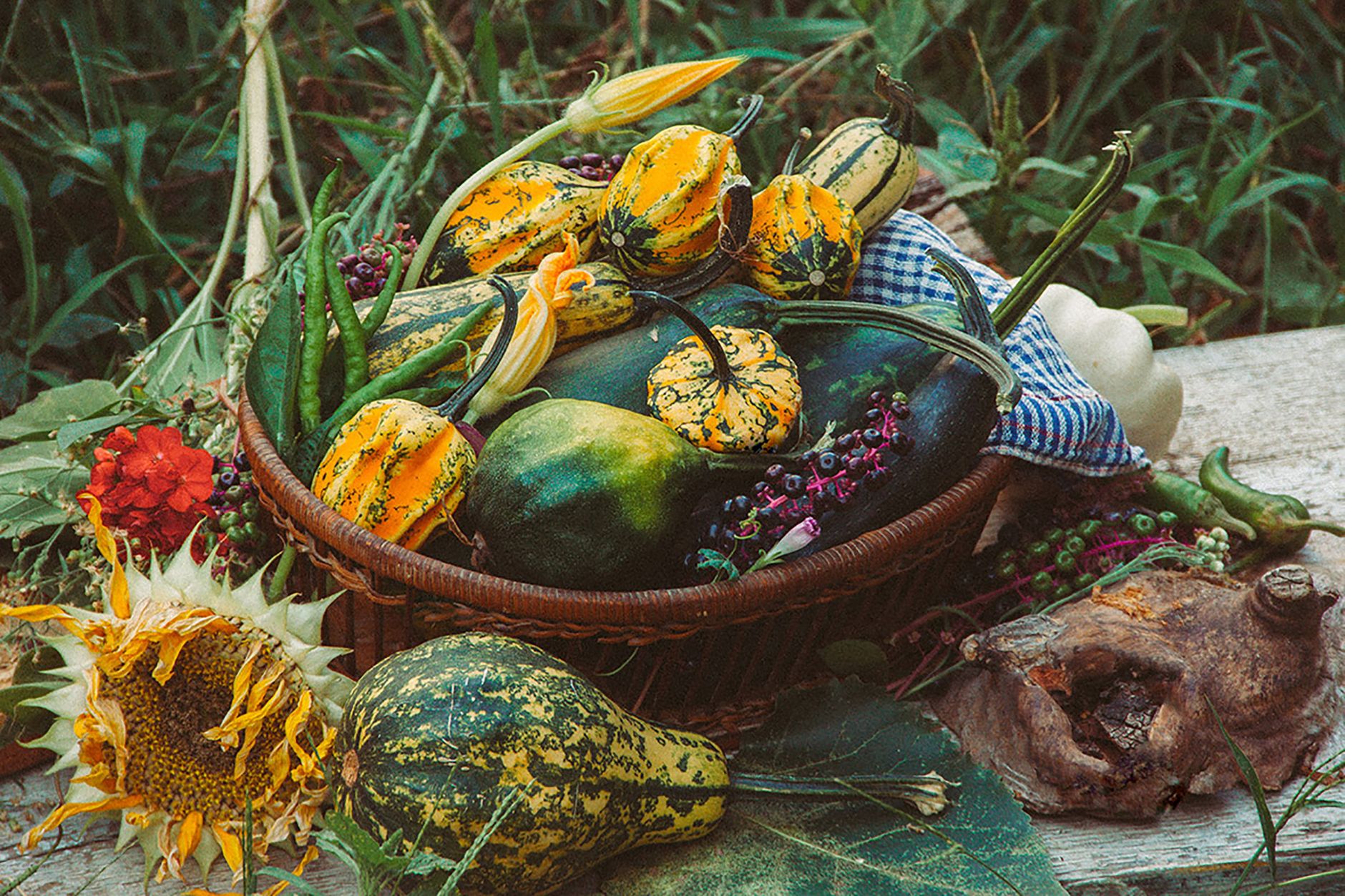
It’s more than just following the instructions to succeed in gardening and homesteading. Knowing the environment in the environment you live in is vital for gardening.
The Sproutstead goes over these factors to assist readers in adapting the gardening skills they have learned to their house, and not try to duplicate the ideal setup.
Under the surface, vegetable gardening begins
Naturally people pay greater attention to plants that they can see. But, the outcome of any gardening venture is largely determined underground.
A balanced soil is important for drainage, moisture retention and nutrients. Compost can help improve soil over time, and mulching helps conserve water and deter the growth of weeds. Paying attention to these fundamentals can make vegetable gardening easier because healthier growing conditions give plants a stronger foundation from the beginning.
Planning also matters. How efficiently a gardener can utilize the limited space is dependent on the spacing of plants and timing of the crop plant companions, the seasonal succession.
Tomatillos are a great example of Paying Attention
Ask ten gardeners about tomatoes and you’ll probably get a variety of stories. The most well-known of home crops, tomatoes also display the effects of many different types of weather.
If you want to know how you can grow tomatoes, look beyond the soil depths for planting and fertilizer plans. Tomatoes are in need of enough sunlight, regular watering, suitable soil and appropriate spacing once they reach maturity. It is crucial to select the most suitable tomato, as growing conditions availability, the area available, and the intended use can all affect what tomato is most suitable.
When a plant produces abundant foliage but produces little fruit, for example, just applying more fertilizer won’t solve the issue. A high level of nitrogen, temperature too low, inadequate sunlight, or pollination factors could be involved. It is recommended to examine the entire plant instead of treating every symptom in a similar way.
Harvesting is only a small part of the story
When the majority of vegetables are rotten before being consumed, it makes growing twenty pounds of vegetables seem less productive. Following harvest, a thoughtful way to grow your own vegetables at home is to consider the whole process.
Canning drying, freezing, or freezing and sharing excess produce can improve the value of what you plant. It is also possible to keep seeds in the freezer for future use, or compost unavoidable scraps. Backyard chickens are a great way to combine with a variety of herbs, fruit trees and composting to make a family-friendly system.
It isn’t essential to start each homesteading method at the same time. It’s crucial to progress on homesteading whether that’s growing lettuce, building compost or even preserving your first tomato crop.
Gardening is easier with the right knowledge
The most beneficial gardening instruction does not guarantee perfect plants. Weather, pests and seed failures could vary from region to region.
The Sproutstead regards these realities as part and parcel of the process of learning, not as an exception. By connecting topics such as soil, vegetable, seed beginning, pests, preservation backyard chickens, as well as self-sufficiency, readers will gradually understand not only what to do in the garden, but also why it works.
A garden that is more productive for the home is typically built in like the way that plants develop slowly, season after season, starting with a sturdy base.