
The technical evaluation is passed, pricing discussions are complete, and an enterprise customer is ready to proceed with your software product. Then procurement requests your latest SOC 2 report. Nothing like that exists yet.
When Australian SaaS companies enter larger markets, this situation presents an immediate challenge. Security assurance takes time, and rushing into the wrong assessment may not satisfy the customer’s requirements. The way forward begins with understanding what the buyer expects and planning backward from the deadline.
Begin calmly by finding out exactly what was asked for and by when. Sometimes the request leaves more room than it first appears, so it’s worth asking before assuming.
Work Out Which Kind of SOC 2 Report the Buyer Wants
The level of assurance isn’t the same across every SOC 2 report. When responding to enterprise security requirements, the distinction between SOC 2 type 1 vs type 2 matters. Type 1 evaluates whether relevant controls are suitably designed at a particular date. Over a defined period, Type 2 examines both their design and their operating effectiveness.
Type 1 may be accepted temporarily by an enterprise buyer, but many specifically request Type 2, since it provides evidence covering actual operations. Prior to commissioning an examination, confirm with the customer the report type, the required scope, and acceptable reporting dates.
Put the answers in writing; the report type, scope, and dates all shape the plan and the budget.
The Observation Period Sets Your Timeline
You can’t complete a SOC 2 type 2 examination simply by preparing documentation and scheduling an auditor. The organization must operate its relevant controls throughout the reporting period. An initial examination may cover a period of three months, whereas subsequent reports commonly cover longer ones.
Where your business needs to demonstrate access reviews, security training, or change approvals, those activities must happen, and be documented, during the applicable window. By planning backward from a customer deadline, you can see whether the requested report can realistically be delivered on time.
Should the deadline be tighter than the observation period allows, let the customer know early. Interim steps, such as a dated plan, are something some customers will discuss if they hear about the gap early.
What Exactly Are You Paying For?
Businesses frequently search for SOC 2 type 2 certification, although SOC 2 does not issue certificates.
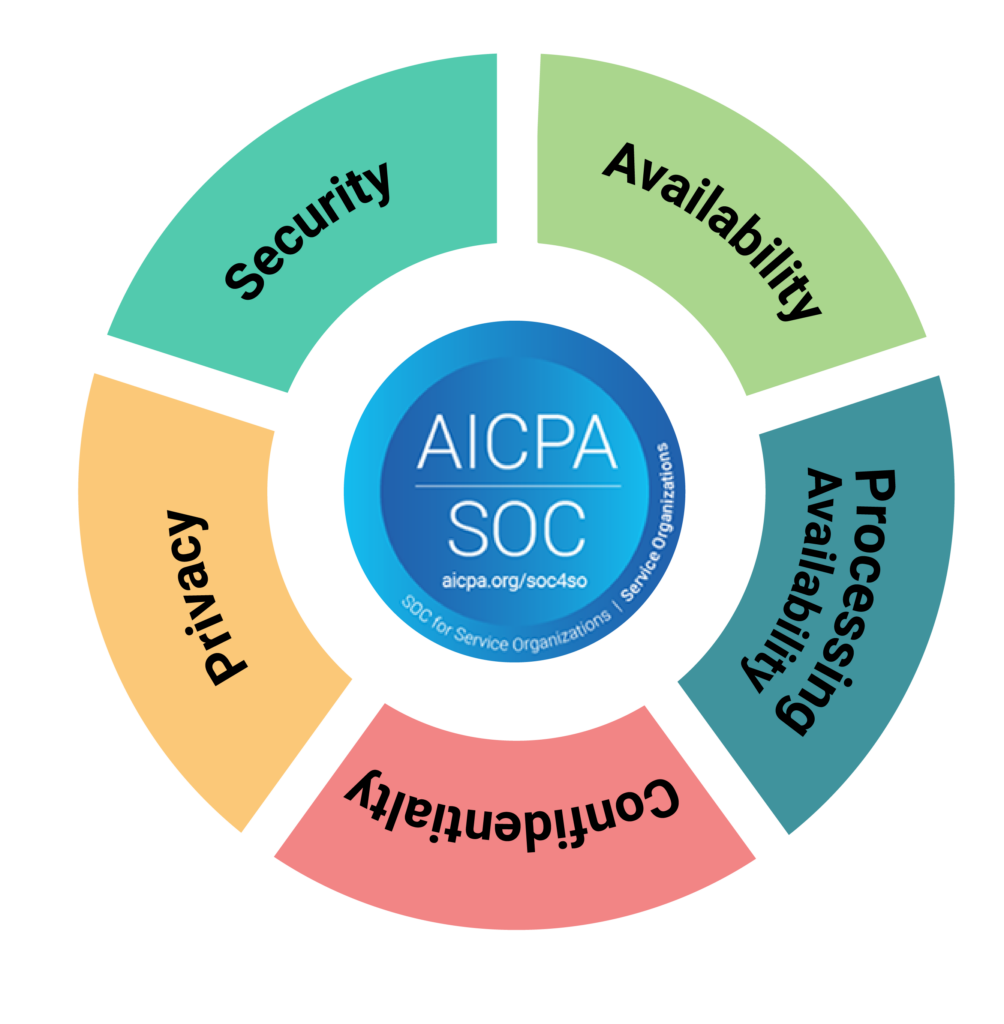
A licensed CPA firm performs an independent examination against the applicable AICPA Trust Services Criteria and issues an attestation report. The report covers the assessed system, relevant controls, testing procedures, and the auditor’s opinion.
Customers typically review that document, often under a confidentiality agreement. A specific historical period is also what a SOC type 2 report relates to. It doesn’t automatically give assurance about every change made afterward.
Understand the Costs Before You Begin
An independent examination fee is only part of the cost of SOC 2 preparation. Help may be needed to develop policies, conduct risk assessments, prepare evidence, train employees, and arrange security testing.
Siege Cyber advertises a SOC 2 compliance package for businesses with up to 50 employees, priced at AUD $2,750 per month, excluding GST, over twelve months. Eligible contracts signed by December 31, 2026 are covered by the advertised offer. The package includes compliance preparation, training, a compliance platform, and external penetration testing.
The independent CPA examination is billed separately, with Siege Cyber indicating typical fees of approximately AUD 5,000–15,000, depending on scope and complexity. Before committing, confirm current pricing, eligibility, and deliverables.
What to Do When Your SOC 2 Report Has Aged
Your Type 2 report might cover January through June, and then a customer requests assurance in October. The report doesn’t look at the months in between. Relevant changes since the reporting period ended can be described in a management-issued bridge letter, which some customers may accept.
However, acceptance depends on the customer’s requirements, and a bridge letter does not replace an independent examination. Discuss reporting gaps early rather than assuming an older report will satisfy procurement.
Make Compliance Count Beyond the Next Contract
Australian-based SOC 2 readiness support, with fixed-price consulting packages and independent audit coordination, is provided by Siege Cyber. Connecting compliance preparation with actual operational responsibilities is the most useful approach for growing software companies.
Control owners should be assigned, security records maintained, and a reporting schedule established to support future customer reviews. A successful SOC 2 project prepares your business for the next enterprise opportunity as well as answering the current request.
Organized evidence from the start makes the next audit cycle less of a scramble. Reviewing responsibilities and schedules at regular intervals helps controls keep operating between audits.