
Six years spent tackling technical challenges do not necessarily make it easy for a developer to describe the reasoning behind a system design in an interview. A history of successful campaigns does not guarantee that a candidate will remember the right performance numbers when questioned.
These examples do not necessarily point to insufficient skills. Interviews require candidates to draw on their knowledge, organize their thoughts, interpret unfamiliar questions, and communicate clearly under pressure.
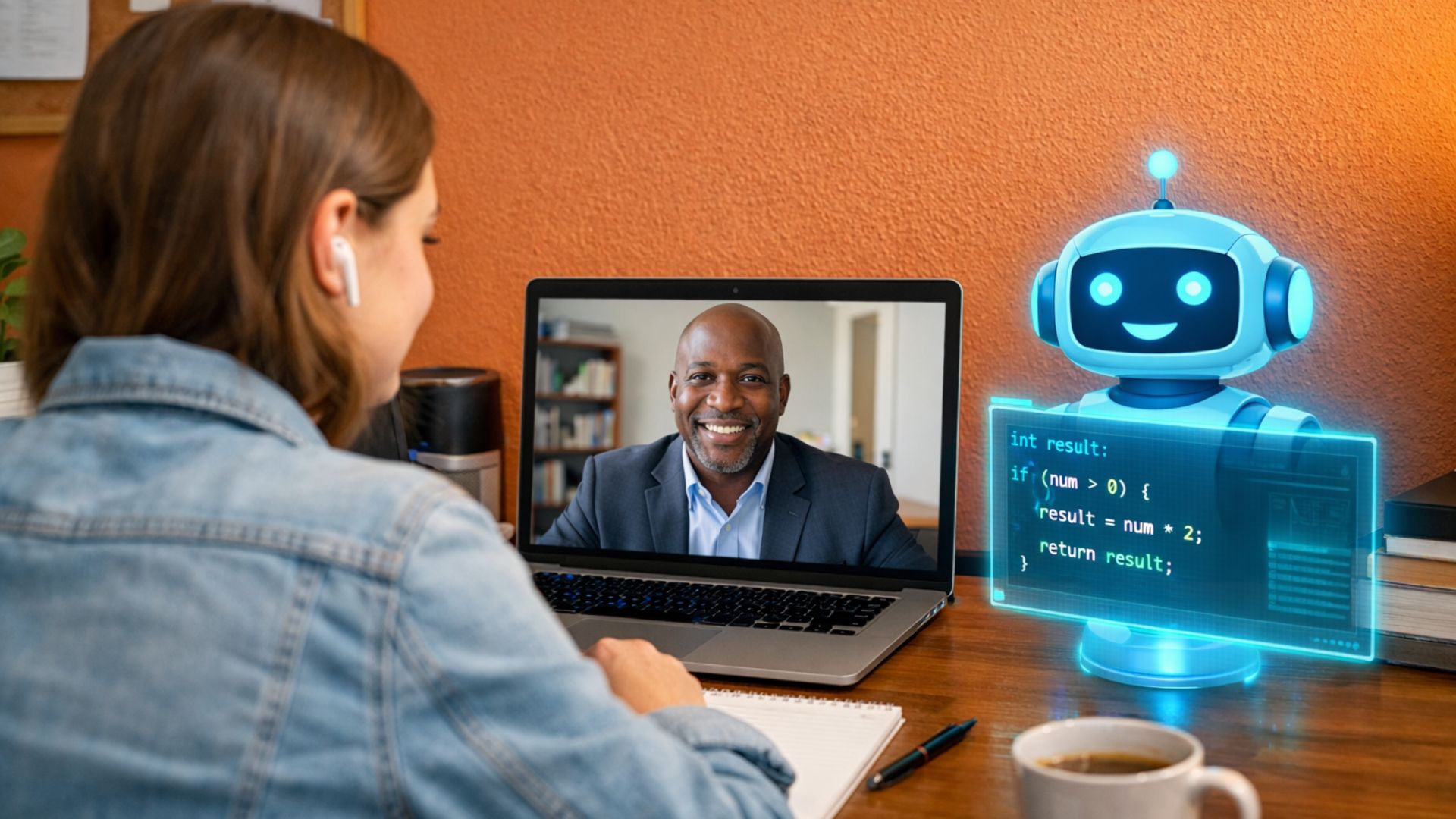
AI technology offers different approaches for developing these interview skills. Through customized preparation, simulated interviews, and live response suggestions, Interview Pilot aims to help job seekers feel more confident in professional interviews.
Turn Your Career History Into Interview Preparation Material
Traditional interview preparation often starts by searching for common questions and memorizing suggested responses. The drawback of memorized generic answers is that they rarely describe the candidate’s genuine professional experience.
Consider the familiar question, “Tell me about a time you managed a difficult project.” An effective response needs more than a polished opening. The candidate should describe what was happening, clarify their own role, explain their choices, and report the result.
Suggestions from Interview Pilot draw on the candidate’s resume, the role being pursued, and the potential employer.
An AI interview assistant can help users select relevant career examples, organize supporting details, and recognize gaps in their explanations. The next step is to rehearse an accurate account using their own way of speaking.
Technical Knowledge Needs Clarity in Conversation
An assessment of technical ability goes beyond knowing programming languages, software platforms, and engineering principles. Hiring teams often examine the candidate’s problem-solving process and compares possible solutions.
When discussing database optimization, a developer may be asked to describe how indexing improved query performance, the associated trade-offs, and the method used to measure the improvement.
Both technical questions and behavioral prompts are supported by Interview Pilot. The interview copilot feature interprets spoken questions and produces responses suited to the context.
A suggested response is useful only insofar as the candidate also understands the reasoning behind it. Candidates should be prepared to explain technical decisions independently, particularly when interviewers ask additional questions or modify the original scenario.
Practice Conversations, Not Just Individual Questions
Reading interview questions silently is not the same as answering them aloud. Spoken practice exposes communication habits that written preparation may overlook, including drawn-out introductions, unclear explanations, and unnecessary technical jargon.
Interview Pilot includes AI mock interviews and an interview question bank, allowing users to prepare before meeting a recruiter or hiring manager.
Candidates can practice effectively by responding to one question repeatedly while varying the amount of information. The same experience could be explained in roughly thirty seconds during a screening interview and in greater depth during a technical discussion. Adjusting the depth of an answer can make the conversation sound less memorized and better aligned with the interviewer’s interests.
Consider Professional Integrity Before Using Live AI
Tools offering real-time interview answers introduce additional considerations around professional integrity and employer expectations. AI assistance may be permitted in certain organizations’ assessments, but other employers require an unaided assessment of skills.
Anyone searching for a copilot for interview preparation or live assistance should clarify the employer’s rules before using such technology during an actual interview. Processing interview conversations through software raises additional considerations involving consent and confidentiality. AI-generated suggestions are most valuable when they support genuine knowledge rather than take the place of actual competence or invent professional experiences.
Make Interview Practice Part of Your Routine
Interview preparation often happens between professional obligations, commuting, and personal responsibilities. Accessibility across devices can make ongoing preparation easier.
Users can access Interview Pilot through its Mac and Windows versions, on iPhone and Android, and via the web. The platform reports a global user base of over one million and describes a free tier with weekly AI usage limits in addition to paid subscriptions offering unlimited use.
The purpose of effective preparation is not simply to learn perfect wording. What matters is developing confidence in discussing your expertise, demonstrating your thought process, and articulating your potential value to an employer.
Interview Pilot can help candidates develop these skills when used responsibly, with their actual career history, judgment, and ability to communicate remaining central to the interview.