
A significant contract is won by the manufacturer. Production requirements for the month increase, yet the factory hasn’t seen a sudden increase in floor space, experienced employees or hours of work per day. An increase in production for a short period may be possible, but adding another shift can bring new demands for labor training, supervision, and quality control.
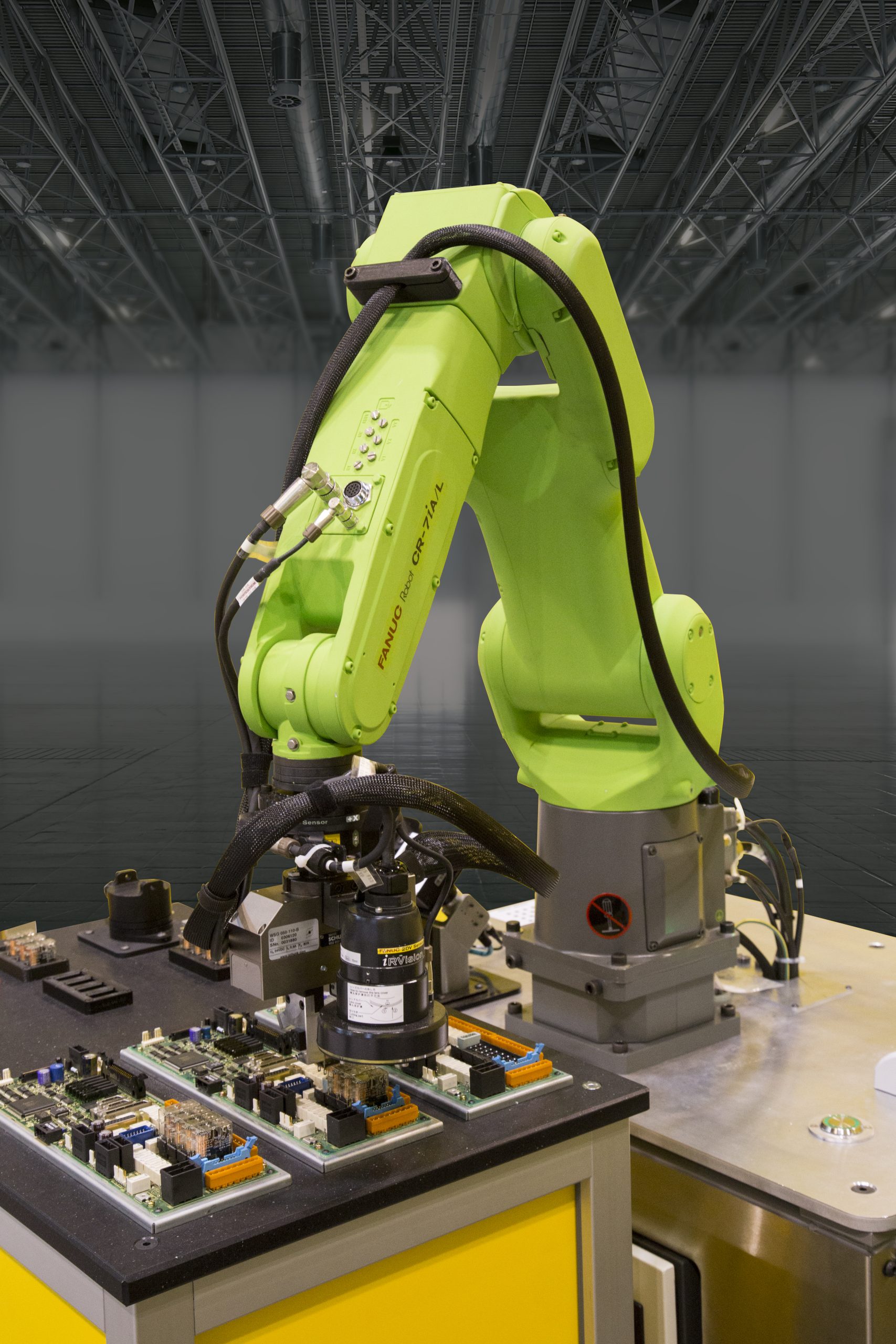
Image credit: automatedsolutions.com.au
This is a crucial need for robotic automation. Robotics doesn’t just mean replacing human workers with machines. A good application could change the way manufacturers utilize their capacity to produce.
Look at the Seconds That Change Between Products
Inefficient manufacturing isn’t always apparent. For instance, suppose an operator is spending 15 seconds arranging the component, another 10 seconds applying material, and then a few seconds transferring it to the next step. For one part it’s not much of a difference. When repeated thousands of times, these seconds can add significant production time.
This is also true of wasted material. In the event of spreading a small amount additional coating or dispensing materials over a long production line can lead to the cost of a large amount.
Companies that are thinking about robotic automation Australia will benefit from looking at these small repeated losses prior to decide on the best equipment to buy. ASA’s analysis of needs is designed to identify bottlenecks and quality issues as in addition to waste and other constraints within a project.
Robots must be able to fit into the process.
The choice of a robot is just one option in the engineering process. It might be necessary to install tooling, protection and controls, sensors conveyors, fixtures, electrical integration and communication with the current production equipment. Engineers should consider reach and payload when making decisions about how the robot will move through its work area and interact with the environment surrounding it.
ASA offers conceptual development, design of systems and offline programming as part of its approach to robotic automation. Engineers are able to explore configurations for the system and estimate cycles before the finished system is installed on the factory floor. This is particularly helpful when space is scarce or when new robotics have to integrate with a production line that is already in place.
Painting and dispensing show why It’s Important to Repeat
Some manufacturing processes illustrate the value of controlled movement particularly well. Imagine applying a coating on hundreds of parts. Not just completing components quickly is the goal. It is crucial to manage the speed, distance, and movement of each component from beginning to very end.
ASA has experts working on painting and dispensing applications across various industries, including automotive and aerospace. In these environments, industrial robotic automation can provide repeatable programmed movement while also reducing employee exposure to physically demanding or potentially hazardous processes.
Reduced waste and improvement in productivity could be achieved through better control.
Installing the system is not enough. You still need people to keep it running.
Automation doesn’t substitute for manufacturing expertise. The knowledge needed to operate, maintain and operate the process shift.
Employees must be able to detect abnormal behavior and identify issues, and take the necessary maintenance. Production requirements can change in time, meaning that the processes and programs need to be adjusted.
ASA provides training on site in safe operation, programming and troubleshooting, in addition to mechanical and electrical maintenance. The company also provides regular maintenance and services to ensure that equipment is in good order and wear and tear issues are addressed.
Capacity is about more than Being able to work faster
For Australian producers, expanding capacity doesn’t mean purchasing more space or increasing the amount of labor required to perform repetitive tasks. Sometimes, it is better to ask if the production process can be improved.
ASA is designing and integrating automation solutions since 2002. It works with the manufacturing industry in Australia and also international projects. Its method combines the analysis of requirements, engineering, simulations, FANUC robotic integration training, and also servicing.
Automation is not the goal. A system worth investing in should provide a company with quantifiable outcomes, such as better production reliability, higher quality, safer processes, reduced waste or increased capacity.